Showing posts with label Singapore. Show all posts

Hari Raya in Singapore: Maintain Relationship with Neighbor Through Food


Hari Raya in Singapore; my little gifts for my neighbors - Photographed by Acik Mardhiyanti

When we move to another country and start to live with locals, the first question is how your relationship with neighbors? At least it is the question that I have received even before moving to Singapore. "How we can adapt" "how we can survive in an alien land" et cetera... We didn't know anyone in Singapore, it was completely strangers around us. However, we managed to make a new book and write a happy story about it!.✌😊 Knowing the people, culture, and tradition, it is my wonderful journey, including the Hari Raya celebration in Singapore.

Thousand layer cake from our neighbor - Photographed by Acik Mardhiyanti

When I was 16 years old I moved to another province and live in an unfamiliar city to pursue my academics. Since that day, I have always learned how to adapt to a new environment, meeting new people, learn their culture et Cetera. It wasn't easy at first because the city where I completed my Bachelor's Degree was different where the place I came from, their people, behavior, culture, and tradition, language, and so are the foods. But I am proud of myself that I survived. In order to survive, I had to live like locals. And I am glad, because of my positive attitude, I have family friends there! Whenever I visited (before the Coronavirus situation) that city, we also made a visit to this special family.

A rainbow cake from our neighbor - Photographed by Acik Mardhiyanti

Talking about Hari Raya in Singapore, it is a Muslim celebration in Singapore after fasting a month! Many say it is Hari Raya Puasa, "puasa" means fasting. Or we can call it "New Year for Muslims." Last week, 13th May 2021 was Hari Raya Puasa. The interesting thing is how to celebrate this special occasion during the pandemic? 

Fruity cake from our neighbor - Photographed by Acik Mardhiyanti

If you are following The Journey of Ichi's Family, instantly you know our tradition with our neighbor. We do exchange foods/ snacks/ or another gift to celebrate 3 different festive seasons, there are Chinese New Year, Christmas, and Hari Raya. In general, I prepare 3 times gifts for my neighbor on each occasion. Basically, cookies or cake is a common gift and people would love it. However, it doesn't mean we can't give another present, for instance, fruit, tea or coffee, noodles, or handicraft. All those options are acceptable in our community. In another word, it is a proper gift.

My neighbor gave us custard puff - Photographed by Acik Mardhiyanti

Who would the first person start to give a gift? It doesn't matter, whether my neighbor first or I am first. I think a week before Hari Raya one of my neighbors knocked on our door. She sent us 3 distinctive cakes! Wow! 3 cakes! She said, "Happy New Year!" Of course, we received these cakes with happiness and we were thinking about how we would finish those special cakes because our big eater (my brother) couldn't go home this year.😅 A few days later, another neighbor appeared at the front door when we ate dinner. She brought a bottle of syrup, a cake, and macaron! I was surprised and a little bit worry because I didn't have anything at home to give her back. Well, no need to worry, after all, we are neighbors, when we want to give something to our neighbors, it means we just want to share and spread happiness and joy during a special occasion. That's what I call to maintain our relationship with neighbors through food. I had learned about it a long time ago when I lived in my hometown where exchange foods between neighbors were a common tradition to celebrate special occasions, regardless of race, religion, and language. The next day, another neighbor visited us and brought cakes for us. So, we had lots of cakes at home!😅😄

Mangoes, syrup, cake, and a macaron from our neighbor - Photographed by Acik Mardhiyanti

2 days before Hari Raya, we went to the hypermarket nearby and found out if any ideas to make a gift for our neighbor who lives on the same floor. Why only on the same floor, what about another friend? Well, before the coronavirus year, we made a visit to our friend's flat who lives in another district. Nowadays, if we are able to send a cake then we send it, but if the situation quite hard, we just send a message. Why? Due to the COVID-19 situation, the government advises to stay home as much as possible since the case in community rises and among them is a new variant from India. To be honest, my husband and I go out only to buy groceries, and sometimes medicines. Back to the topic, so we decided to make a little gift; there was the apple, tea, and hair accessories & brooches that designed by me. Those hair accessories are headbands, hair claws, and also brooches. Additionally, we gave pork meat to one of my neighbors. That was our little gift for our neighbor.

Mocca cake from our neighbor - Photographed by Acik Mardhiyanti

How we sent our gift during the pandemic since our government makes strict rules to control the spread in the community? Of course, we just hang it out at the door and sent a message; or we knock on their door, gave the gift, a few minutes of chat to ask how they do, then went home. That's is? Yes! We didn't enter their home, just enough on the front door, and practice safe distancing. I know, it looks awkward, but we want to play our part to keep our community (friend and family) safe and healthy. To win this battle we have to fight together, that's the spirit in Singapore.💪🙂

This was how Hari Raya in Singapore this year. We do not look at the background, we just want to spread happiness with others. Like another celebration, we exchange food/ cake/ snacks as a gift in order to make this special occasion more colorful; just beautiful like a rainbow!🌈 Moreover, by sharing foods we can maintain relationships with neighbors!🌞🥰

Note:

  • Written by Acik Mardhiyanti
  • Photographed by Acik Mardhiyanti
  • Do not copy this article without permission
  • Do not reuse these photographs anywhere else without permission


Living in Singapore: The Relationship between Locals and Us


 A flower basket, mangoes, and a thin biscuit from my local friend who lives in another district - Photographed by Acik Mardhiyanti

Moving and living in Singapore? I believe many people around you will ask the same question, what is look like living in one of the expensive cities in the world and how the relationship with your neighbor? I think all my Indonesian friends asked me the same question.

Maybe you wonder why people keep asking their friends or family who move to Singapore how the neighbor relationships. As many of you knows that Singapore is a bustling and busy city. You can see how fast people walk in the MRT station every day, everyone looks in rush. Every household closes their door because they are busy with soo many things every day. However, we can see and feel a warm community where we can build our relationship with locals or our neighbors in the place where we live in. 

Sending all kueh bahulu (kueh bahulu is a traditional Singapore cake to celebrate Lunar New Year) and pineapple tart to our local's neighbors - Photographed by Acik Mardhiyanti

Before moved to Singapore, we lived in Jakarta-Indonesia. I thought living in Singapore would encounter the same experiences just like what we had in Jakarta, an individual neighbor which means we stay close but we do not know who exactly our neighbor is. We had been worrying about all those things until one day we moved and stayed among locals (Singaporeans). What I have experienced is completely different from what I thought before.  We are amazed by a local's warmth, I call it the true heart of Singapore.

We sent this cake to our local friend - Photographed by Aunty V

First-year after moved I had always closed our door. I also used to buy our groceries in hypermarket only. I hadn't ever interacted with our neighbor who lived on the same floor. Our neighbors did the same thing; closing their door all day long. Until someday Chinese New Year came and it was my first Lunar New Year in Singapore. I was excited because lots of flowers and plants were sold. We walked around the wet market nearby our block and I bought yellow Chrysanthemum and Kalanchoe. Since that day I collected one by one flower and did gardening in our corridor. I bought Flamingo flower, Begonias, mint; I planted Portulaca, Zinnia, Marigold, and many others. Someday one of our neighbors stopped by and we talked about flowers and she offered me to exchange Portulaca flowers. That was the first time I made a friend. Day by day, we knew all of our neighbors who lived on the same floor. Moreover, we also knew and made friends with other neighbors who lived in another building and another floor. We often talked outside just for 1 minute or 2 minutes whenever we met, sometimes in the void deck, lift, the wet market, or when we just sit down on the bench in the park. When I remember about that time, the first year came to Singapore, how selfish I was as a new neighbor and foreigner. I should have talked to my neighbor first and not waiting.

Christmas cake from our local neighbor - Photographed by Acik Mardhiyanti

After the first year, we often joined Community Club events such as the Mooncake festival, Harmony Day, and Movie Night. We also did exchange cookies on Chinese New Year; even sometimes I received "ang pao" from my neighbor. Whenever I came back from Indonesia, I bought a bunch of snacks that I gave to them all. Sometimes I just simply share my Portulaca and gave it to my neighbor, or helping them watering their plants when they went overseas. One of our Malay neighbors also engaged us first then we become friends until this day, unfortunately, one of them passed away a few years ago. I also gave food to stray cats that lived around every day. Every day I walked around to feed the cats in our block. I had always carried cat food in my small bag. It was the first year that I learned about locals. 

Christmas cake from one of our local neighbors - Photographed by Acik Mardhiyanti 

After a few years living in Singapore, until this day, we had moved to 3 different districts, and I am glad that everywhere we moved, we have made a new friend with our neighbors especially those who live on the same floor. We have continued to always give warmth relationship to our neighbors. Even I made a friend with a local who attended the same class which means staying in another district. Nowadays, I exchange cakes or cookies for 3 celebrations: Chinese New Year, Christmas, and Hari Raya. So, please, do not confuse if we celebrate 3 different celebrations every year. Regardless of race, language, and religion, we just love to spread happiness and peace to all. Sometimes my neighbor just comes by and gives us cakes even my cat, Ichi, received toys from our local's friends. So, basically, we do not need to wait until celebration day, if we want to give something to our neighbor or local friends, just send it for example sending birthday gift or cake to our local friend. Or like today, my local friend who lives in another district sent me a flower basket, 2 mangoes, and a thin cookie (the first picture above). In the past, we had a neighbor who had given me vegetables or fish dishes. Whatever she ate, she shared the foods with us. She said that couldn't finish those dishes. It touches my heart, how lucky I am surrounded by kind people. 

Chinese New Year chocolate, thin cookies, and oranges from our local neighbor - Photographed by Acik Mardhiyanti

So, how we can manage our relationships with locals? Here are tips from me, you have to learn the local culture and live like a local. For example, shopping in the wet market, eating in the hawker, or planting flowers and plants. If you work every day then at least on Saturday and Sunday, giving your time to walk and visit the market nearby. I often bought my fresh ingredients in the wet market before coronavirus years like vegetables, fruits, and cut flowers. I also used to buy daily clothes such as T-shirts at the market and wear them. Even the small bag that I have always carried was only $ 5 and bought in the market nearby. Buying some kitchen tools and household tools also in the market, for example, washing machine nets, basin, plant wire, et cetera. Finding and trying local foods in the hawker, usually before the Covid-19 situation, we went to hawker nearby wet market on Saturday or Sunday. What had I bought? I had bought a sugar cane drink or coconut water. Those are my favorite drinks. what about food or snack? I like Pie tee! The good news is if you like gardening, why? Because most locals love flowers and plants! So it would easy to make a friend with the neighbor. Furthermore, if you are a cat lover that another good thing! Why? Locals who I know are animal lovers. Whether have cat or dog, that would make conversation easier, as result, we can make a friend with locals. 

Colorful noodles and cakes from our local neighbor - Photographed by Acik Mardhiyanti

Here what I did when moved to a new neighborhood. We visited our neighbor flats who lived on the same floor one by one, knocked on their door, gave them a cake that I bought from the market nearby, and introduced ourselves that we were a new resident. That's how we show our gratitude to others especially when we move to a new residential. Here in Singapore, people have always been busy, so, Chinese New Year, Christmas, or Hari Raya, there is the best time to visit a neighbor and bring a cake or cookies. But remember, we have to respect their privacy, for example, talking to them just only in minutes when knock their door to give a cake because they have their own business at home, unless, they invite and allow you to enter their house then you can enter their flat and talk longer. But in our experiences that we only talk about 15-30 minutes in their flat. Generally, we often talk about our hometown, food, or cat or dog because I love cats and my neighbor has a dog or talks about gardening, sometimes our neighbor told us about their experiences when visited other countries. It sounds basic, but we set barriers that we respect their private life. 

At 16 years old, I decided to study at a university in the city on another island. Since that day I have learned so many things. But one thing that is very important I have always been remembering, wherever I go, I have to learn the local culture where I live and blend with locals. Do not think that you are different and make friends and doing activities only with people who come from the same country. 

I often did gardening on a public holiday, and weekend (before the Covid-19 situation), who knows the neighbor comes and we just simply talked for a few minutes in the corridor while I planted flowers. Walking to the market nearby buying things; it could be flowers, household tools, visit our Community Club, joining some events in our Community Club, visit a public library, et cetera, all those activities are the way how to live like locals. Living simply like local, that's our motto. Blending with locals and understanding their culture that the key to living harmony.

It sounds easy to live in harmony with locals in Singapore, right? Understanding locals, living like locals, those things will make it easy for you to build warm relationships with your neighbor. So, it means my neighbor is my friend? Yes! That's my answer!😊

Note:

  • Written by Acik Mardhiyanti
  • Photographed by Acik Mardhiyanti
  • Do not copy this article without permission
  • Do not reuse these photographs anywhere else without permission


TraceTogether Token Make My Life Easier During Pandemic


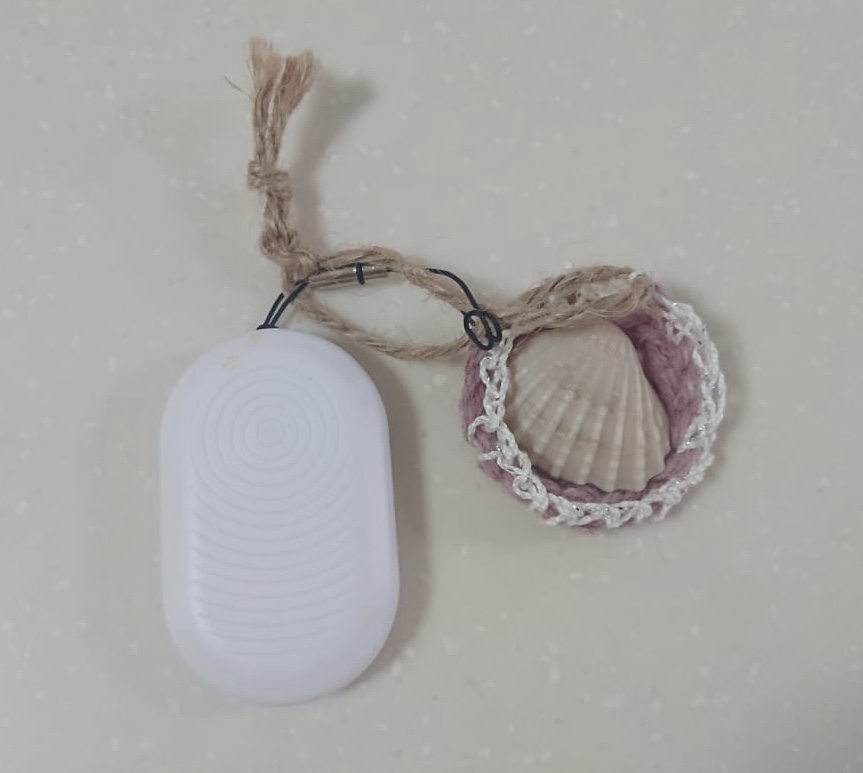
My TraceTogether Token - Photographed by Acik Mardhiyanti

What is that thing? Here in Singapore, we call it TraceTogether token that everyone should have to make contact tracing easier in order to control the spread of Coronavirus. For me, personally, it makes my life much easier during the pandemic.

I have been using the TraceTogether token since February 2021 ( I guess). My husband and I visited our Community Club to take our device. When we arrived, there were just some people who come to take the token. After checked in with TraceTogether App and checked the temperature, we were allowed to proceed to the counter. To take this device, we need to bring our IC (Identity Card) because they need to check before giving it to us and write-down our phone number as well. 

Behind this token, there is my name and also code that I use to scan when entering a mall, hypermarket, or any public places. We must bring this device every time when we go out. And there is a blinking green light appear wherever we near the other people who bring the same device. If the token has a green light that blinks once every minute, it is working well.  So, with this token is make easy for a government to control the spread of Coronavirus in the community. Once when someone is infected by the Covid-19 virus, then people who near or meet him/ her, will be contacted and placed in quarantine. So, it helps with tracing close contact of confirmed Covid-19 patients so they can be identified and quarantined quickly to limit the spread of the coronavirus in the community.

Before using this token I felt uneasy whenever I went out. I had to hold my phone, open the TraceTogether App, did check-in by scanning the barcode before entering the shop or place that I visited, and must do check-out when out. And sometimes I forgot to check-out and realized it after 1 or 2 hours at home. To be honest, I was stressed with all those things. The worst part was a day before I took some kind of exam my camera phone broke and I panicked. If I could not check-in the building which meant I could not take part in the exam. How frustrated I was at the time. And yes I failed my exam! Lots of anxiety!😢 

After encountering some inconvenient situations, I think it is time to take my token when the government announced the distribution of tokens from Monday, 1st February 2021. This smart device is free that the Singapore government distributing since September 14 last year. We can choose whether to use TraceTogether App or TraceTogether token because the TraceTogether token is an alternative for those who prefer not to use a phone. Something that you must know that TraceTogether is mandatory in Singapore to enter public places like restaurants, shopping malls, et cetera. And my decision is TraceTogether token because it makes my move easy during the pandemic. Like I mentioned before I felt stressed when using TraceTogether App🤦‍♀️ With this token, I just bring it whenever I go out without worry about forgetting check-out and the hassle of check-in. You can imagine when I need to visit some shops; check-in & check-out will make me lost my focus on how what I had to buy. 

If the token is faulty then we can get a new one by replacing it. For example, when it has a blinking red light or the light has stopped blinking. We can call the hotline or for me, simply visit my Community Club if something happens to my token. 

That's my story about my TraceTogether token. I think it is an important tool to help the spread of coronavirus in the community. One of my friends said, "I envy that Singapore is one of the safer places during the pandemic." I said to her that her country could get through the tumultuous situation if everyone works together as a nation, and instead of complaining about government rules or laws, we can do our part for instance put on our mask, bringing sanitizer when going out, wash hand frequently, socially responsible (avoid gathering), stay at home as much as possible which is if you do not have any essential matters like going to work, school, buying groceries or medicine. Even if the daily community case is low; yesterday was zero, we still take precautions measurement. Everyone who breaches the Covid-19 safety measurement will get jail for up to 6 months and a fine of up to $ 10,000. 

Thank you for reading my article, and read my garden article; The Beauty of Dwarf Hibiscus Flower, the link is here https://ichi-garden.blogspot.com/2021/03/the-beauty-of-dwarf-hibiscus-flower.html

See you in the next article!🖐🙂

Note:

  • Written by Acik Mardhiyanti
  • Photographed by Acik Mardhiyanti
  • Do not copy this article without permission
  • Do not reuse this photograph anywhere else without permission


Chinese New Year Celebration During Pandemic in Singapore


Some of Lunar New Year treats from our neighbor - Photographed by Acik Mardhiyanti

Lunar New Year or also known as Chinese New Year is the biggest celebration in Singapore. This year sounds different because of the Covid-19 situation. However, I think people still celebrate it in another way. How does it look like? Are you feeling curious and want to know how locals managed to mark this special occasion? Let's get on it!

We have been staying in Singapore for about 9 years. Since moved to Singapore a few years ago the first thing in my mind was on how to bonding with locals. I wanted to know their daily life, how they eat, habits, and events including Chinese Year New. I think it is my rule that I have to learn culture and tradition wherever I live. With this new knowledges, I hope that I could become a better person and open my horizon.

Talking about the biggest event, Lunar New Year in Singapore, well, there are lots of intriguing things happening, for instance, foods, ceremony, family dinner, and snacks. Simple thing Chinese New Year is the time for a family reunion and sit down together and eat together. Maybe many of you think this festive is only for Buddhists or related to this religion. If I am not wrong, Buddhist is not a religion but guides people on how to live. That what I hear from a friend. Back to the topic, here in Singapore, regardless their religion, everyone who have Chinese root, they celebrate Lunar New Year. For example, my neighbors who are not Buddhist yet still celebrate it. That's what I like about living in Singapore. Living in harmony and respect for each other.


Pineapple tart/ cookies, tom yam yam, salted egg yam, seaweed crackers, and crackers - Photographed by Acik Mardhiyanti

In 2021, due to the coronavirus situation, there are so many rules that we have to adhere to so that we can continue managing the spread of the Covid-19 infection in the community. For example, each household only receives 8 visitors a day. Dining at a restaurant is also allows 8 people except for the same household. But it is merely impossible for one household with 10 residents. Everyone must understand the situation even though the daily new local case of COVID-19 infection is zero. What if someone or a group of people breach management safety? Well, the fine of up to $ 10,000 and 6 months jail will wait for you.

So, what did locals do to celebrate Lunar New Year during the pandemic? Many of them stay at home and cooking at home. My neighbors, for example, just sit tight at home even if they felt a little sad. Cooking at home and having dinner with a family member, their children, and grandkids. If another family would do visit then with the arrangement, 8 people a day. What are locals cooking? When my husband and I went to the hypermarket 2 days before Chinese New Year Eve, most people bought hot pot ingredients such as wong bok (Chinese cabbage), enoki mushroom, meat, fishball, lobsters, et cetera. This indicated that during this festive season makes a hot pot at home is their choice. Besides making a hot pot set menu at home, I think many of them cooking another food based on family culture or tradition, for example, chili crab. Every family has its own tradition that's what I have been believed. So, there is not always a hot pot. 


My hot pot style at home - Photographed by Acik Mardhiyanti

What about snacks? Of course, there are abundant snacks and treats during this particular occasion. What I like about Lunar New Year in Singapore is that plenty of snacks, cookies, and sweets, all those treats are special because we can only find them during Lunar New Year. For instance, Chiku chips are also known as arrowhead chips, love letters, durian cookies, larva cheesecakes, pumpkin cake, coffee cookies, bahulu cakes, et cetera, you-name-it. The most popular are pineapples tart and kuih bahulu. Both are traditional ones and I think it must buy them in this special season.

Something that special on Chinese New Year in Singapore, we exchange snacks or gifts with our neighbors. I usually make a goodies package for my neighbors and give it to them before Chinese New Year Eve. My choice is always the same every year; pineapple tart and bahulu cakes, and 2 oranges, including flower brooches or flower accessories in these goodies. These handmade flowers are made by myself. This year I chose pineapple tart, salted egg yam, 2 oranges, and handmade flower accessories. Even though I do not want my neighbor to give me gifts but still they sent some gifts to our doorstep by hanging them. As result, we have lots of snacks and another package at home and we do not know how to eat all of those treats.

Packages for my neighbors - Photographed by Acik Mardhiyanti

That's how locals celebrated Lunar New Year during pandemics, at least in my neighborhood. What I have learned is that maybe it is a different celebration but we feel grateful because we are still in good shape, healthy. Instead of complaining about the government rules, laws, and how strict safe measurement, we, in Singapore, are just grateful for our life. All those laws that government imposes are for safety and the future. We must understand and do our part fight against Covid-19.

By exchanging cakes, or gifts, I think it helps to cheer up our neighbor who celebrate Lunar New Year during the coronavirus year. If you want to know more, I do exchange cakes on Christmas day as well. Not only that, during New Year's eve 2021 one of my neighbors sent me cakes even if I did not send them cakes, what nice and kind neighbors. I love living here!😊 I feel that I just live in kampoeng. "Kampoeng" means village. Then I realize, it does not matters where we live in whether in the city or village, we can still do living in "kampoeng spirit". It means we can manage our relationship with neighbors regardless of race, language, and religion. So, are you staying in Singapore, are you living in "kampoeng spirit", if yes, tell me then  what your experiences😊

Read my another article on another blog about Tom Yam Hot Pot here https://ichi-recipes.blogspot.com/2021/02/cny-sg-2021-tom-yam-hot-pot.html and A Budget Hot Pot here https://ichi-recipes.blogspot.com/2021/02/a-budget-hot-pot.html

Note:

  • Written by Acik Mardhiyanti
  • Photographed by Acik Mardhiyanti
  • Do not copy this article without permission
  • Do not reuse these photographs anywhere else without permission 


Making DIY 4-layer mask with felt as non-woven material


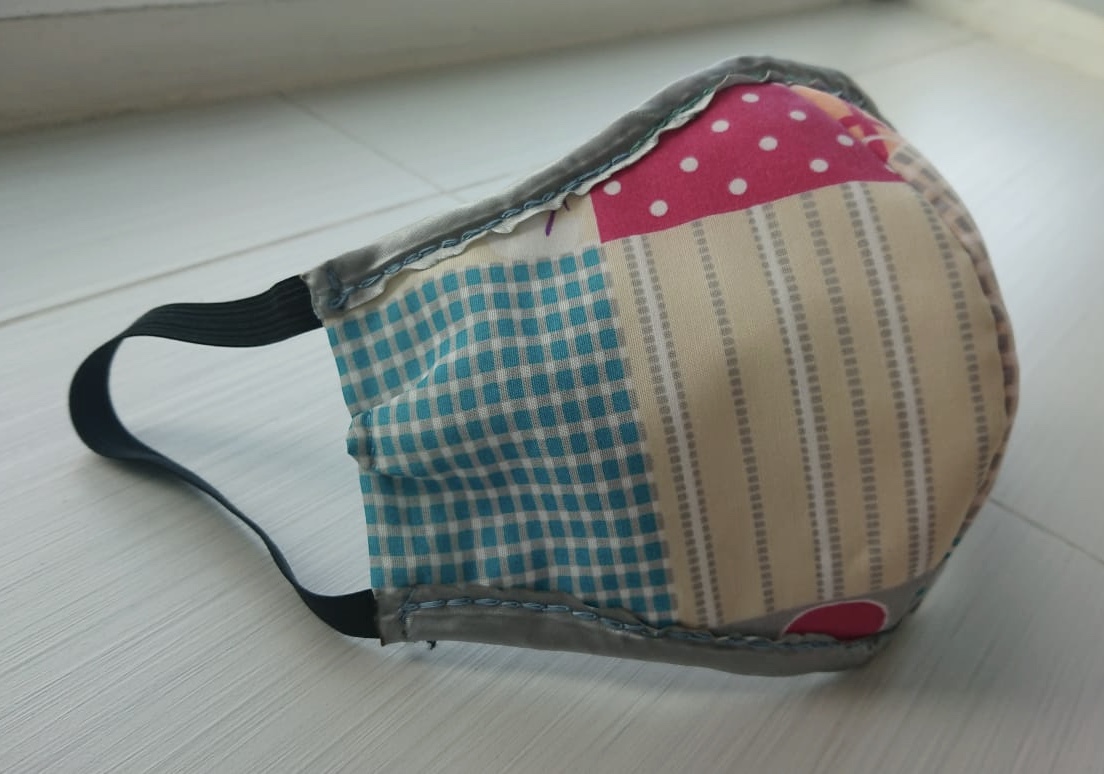
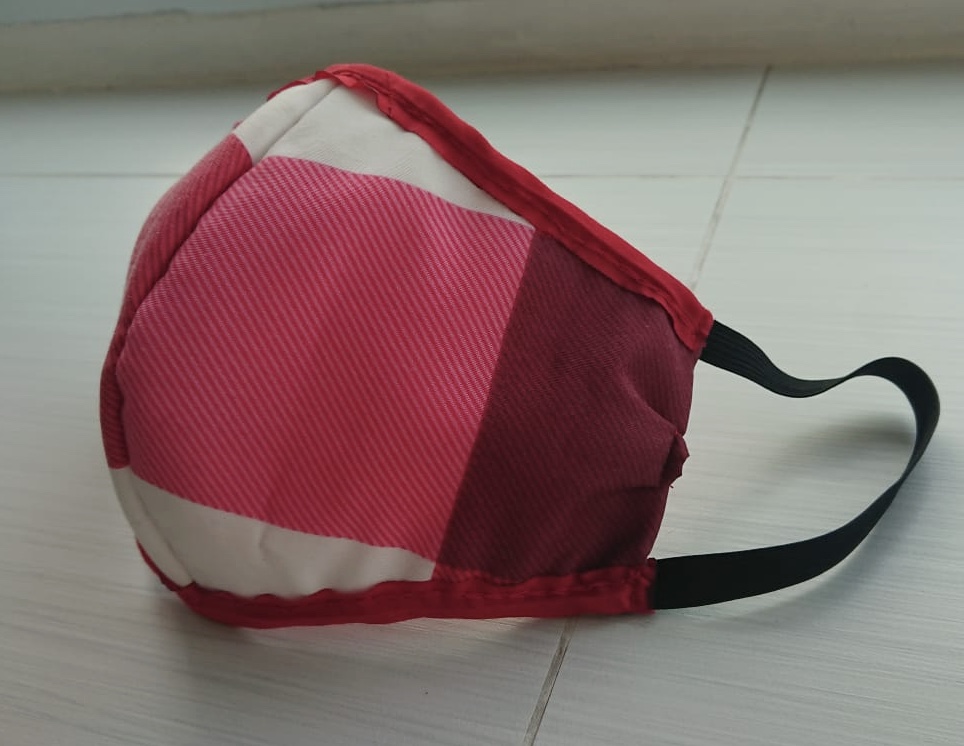
4-layer maks designed by Acik Mardhiyanti - Photographed by Acik Mardhiyanti

The world changes rapidly and so are we. Since the Covid-19 struck our world last year wearing a mask is compulsory which means we have to buy it just like groceries that need them every day. The money will involve and the big question is "how much money do we need to spend on masks?" At this point by making DIY masks becomes popular and trigger many people more creative every day to design DIY mask. On top of that, the biggest question is how to make a proper handmade mask against the Covid-19 virus by using unexpensive material?


4-layer mask designed by Acik Mardhiyanti - Photographed by Acik Mardhiyanti

The first thing that I thought in my mind was how poor families could afford masks. If you are following my Ichikraft Give and Care blog then immediately you know the family who lives in poverty have always been struggling to earn money every day just to provide food. With a wage range between $15 - $ 40 a month, it's virtually impossible to buy masks for their family. Which one they choose, buying masks to protect them or buying foods to fill their stomach? Who will take full responsibility for their real issues? 


4-layer mask designed by Acik Mardhiyanti - Photographed by Acik Mardhiyanti

I came out with the idea by using felt as non-woven material to substitute surgical masks. I believe many of you know that surgical mask material is a nonwoven material. Where the idea from? First of all, I would like to say that felt is a common material for my handiwork. Basically, since I have started my business, this material tags along with me which means I used to use it. In January 2020, we had a shortage of masks in the market. Believe me, at that time we couldn't find masks everywhere. Feeling desperate, of course, but it is not my personality if I just give up so easily before finding a solution. The first mask I made was 1-layer masks to cover the mount. The second mask that I made was 4-layer masks with nonwoven and cotton material inside. At this point, I have used felt which I believe do the same work as a surgical mask. However, before decided use felt as a nonwoven material, I did a search by googling what kind of nonwoven material is. That's how I found out and made a decision to create the 4-layer mask by using felt and cotton inside. After almost a year since the second mask I created, I have made my third mask and they are still 4-layer with felt and cotton inside, but in a different design. 


4-layer mask designed by Acik Mardhiyanti - Photographed by Acik Mardhiyanti

The cotton inside the mask that I have made is our t-shirt. Well, sometimes we have some clothes that we do not use it anymore. Why do I need to add cotton inside? What I have believed is that more layers are more protection. White cotton is my choice because it won't absorb the heat compared to dark colors, for instance, black, dark blue et cetera.


4-layer mask designed by Acik Mardhiyanti - Photographed by Acik Mardhiyanti

The DIY 4-layer mask that I have made is hand sew. Even if hand sew but still I can produce acceptable masks. I wish I have a sewing machine at home, unfortunately haven't. For me, whether have it or not, I am still capable to create something useful with my hands. Challenging my limit is my motivation that can push my creativity beyond. Well, I could say my work is not bad 😁 


4-layer mask designed by Acik Mardhiyanti - Photographed by Acik Mardhiyanti

The front and back layer is pattern fabric, the second layer is felt, the third layer is cotton material. If you are following my article then instantly you know that I have made this kind of mask since March 2020 and it becomes my standard that we can make easy at home and use it to protect us against the Covid-19 virus. Indeed, it just my assumption without any prove properly such as to conduct research, but this kind of mask will useful for people who live in poverty. That's my dedication to finding solutions for poor people in the pandemic situation. Not only them but also for me😊 I am happy that I do not need to spend some money on masks every month. Believe it or not, I haven't used my money to buy masks, not a single one. 


4-layer mask designed by Acik Mardhiyanti - Photographed by Acik Mardhiyanti

The vantages about this particular mask are cheaper materials that affordable for poor people, easy to make at home as long have a needle and thread, and washable with distinctive caution because we deal with felt; remember do not wash this mask in the washing machine. After hand washes with detergent, we can soak it into disinfectant. It sounds good, right? 

Sometimes we just need to creative and willing to learn something else rather than only complaining about so many things. I think we should thank this unprecedented crisis because we are reborn as a stronger person to get through this situation. Keep your courage, embrace it, we can make it!

Note:
  • Written by Acik Mardhiyanti
  • Photographed by Acik Mardhiyanti
  • Do not copy this article without permission
  • Do not reuse these photographed anywhere else without permission  


Menengok HDB Apartment di Singapura Dengan Harga Sewa Hampir 20 Juta Per Bulan


Kitchen - Photographed by Acik Mardhiyanti / Acik Mdy


Sink - tempat cuci sayuran dan cuci piring - Photographed by Acik Mardhiyanti / Acik Mdy

Apa itu HDB? Apa itu HDB apartment? Memangnya apa bedanya dengan kondo atau private apartment? Untuk orang yang baru saja pindah ke Singapura atau hendak merencanakan pindah tentu masih ada rasa bingung. Contoh gampangnya saya, dulu bingung apa bedanya HDB apartment dengan kondo? Maklum kalau di Jakarta namanya apartment ya apartment saja tanpa label yang lainnya dan tidak dibeda-bedakan. Untuk artikel kali ini saya ingin membahas bagaimana design didalam HDB apartment atau flat. Bagi kawan sekalian yang belum tahu atau ingin tahu, bisa membaca lebih lanjut!


Ada lemari sepatu, dan storage - Photographed by Acik Mardhiyanti / Acik Mdy


Storage, lemari sepatu - Photographed by Acik Mardhiyanti / Acik Mdy


Living room dengan fasilitas TV dan kursi panjang - Photographed by Acik Mardhiyanti / Acik Mdy

HDB itu kependekan dari House and Development Board. Dimana kebanyakan warga Singapura tinggalnya di HDB flat. Ya, orang Singapura lebih senang menggunakan kata flat ketimbang apartment. Karena kalau orang menyebut apartment, artinya private apartment/ kondo. HDB ini adalah badan yang mengurusi perumahan di Singapura. Kalau yang membangun apartment adalah HDB maka harganya terbilang murah jika dibandingkan dengan harga private apartment/ kondo. Untuk Singaporeans, mereka diberi subsidi. 


Pintu tengah adalah storage room/ gudang, pintu kanan adalah master room, pintu kiri adalah common room - Photographed by Acik Mardhiyanti / Acik Mdy

Bagi kawan sekalian yang penasaran bagaimana desain didalam sebuah flat HDB, saya bisa memberi gambaran sedikit. Dan ini berdasarkan pengalaman penulis. Karena mungkin orang lain punya pengalaman berbeda dengan saya. Dulu pernah kami menyewa sebuah flat dimana kamar tidurnya hanya ada satu. Ukuran flat-nya adalah kurang lebih 500sqf. Didalamnya ada living room, dapur, satu kamar tidur, dan satu kamar mandi dimana toiletnya digabung dengan kamar mandi ini. Harga sewanya kurang lebih 18 juta rupiah. Fasilitasnya apa saja? Fasilitasnya ada 1 TV flat screen besar, 1 set kursi tamu, dining table (meja makan), microwave, kulkas, mesin cuci, kipas angin, pemanas air untuk mandi, satu lemari pakaian.


Dining table - Photographed by Acik Mardhiyanti / Acik Mdy


Fasilitas: AC dimasing-masing kamar tidur (baik master room maupun common room) - Photographed by Acik Mardhiyanti / Acik Mdy

Setelah itu kami pindah dan menyewa satu flat yang memiliki 2 kamar tidur. Ukuran flat ini kurang lebih 800sqf dengan harga sewa kurang lebih 18 juta rupiah per bulan. Desain didalamnya seperti apa? Ada living room, 2 kamar tidur (2 kamar tidur ini adalah common room atau tidak ada kamar mandi sendiri didalamnya), dapur, kamar mandi, dan toilet. Yup, benar sekali! Kamar mandi atau tempat shower dan toilet terpisah. Fasilitasnya bagaimana? Fasilitasnya ada dining table (meja makan), 1 set kursi tamu, microwave, mesin cuci, satu pemanas air untuk mandi, 2 TV flat screen, 2 AC, 2 lemari pakaian, 1 lemari hias/ buku, kulkas, dan 1 bed (tempat tidur) dimana kamar satunya tidak ada tempat tidurnya. 


Meja kerja penulis - Photographed by Acik Mardhiyanti / Acik Mdy


Kamar tamu (common room), ada meja kerja/ belajar (dipakai untuk meja kerja suami penulis) - Photographed by Acik Mardhiyanti / Acik Mdy

Selanjutnya kami pindah flat dengan ukuran kurang lebih 900sqf ++.... Harga sewanya hampir 19 juta  rupiah per bulan. Bagaimana desain didalamnya? Didalamnya ada living room, dapur, 2 kamar tidur dimana salah satunya adalah master room. Apa itu master room? Master room adalah sebuah kamar tidur yang memiliki kamar mandi dan toilet sendiri didalamnya. Sementara common room adalah sebuah kamar tidur yang tidak dilengkapi kamar mandi dan toilet sendiri didalamnya. Untuk kami common room ini digunakan untuk kamar tamu bila ada yang datang menginap/ saudara yang datang, sementara hari biasa digunakan untuk kerja suami saya karena disitu ada meja belajar/ kerjanya. Selain itu ada tambahan ruangan yaitu storage room (gudang), utility room, dan satu lagi kamar mandi serta toilet yang letaknya didekat dapur. Jadi kamar mandi ada 2? Iya, kamar mandi ada 2 yang masing-masing ada toilet didalamnya. Fasilitasnya apa saja? Fasilitasnya ada dining table (meja makan), satu kursi panjang di living room, oven, mesin cuci, 2 AC, kulkas, ada 5 kipas angin dinding, 2 TV flat screen, kompor, 1 meja belajar/ kerja (beserta sebuah kursi), 2 pemanas air untuk mandi, dan ada 2 closet besar (lemari pakaian), ada lemari sepatu, dan lemari storage yang sudah jadi satu dengan desain flat-nya.


Fasilitas, mesin cuci - Photographed by Acik Mardhiyanti / Acik Mdy


Utility room yang kami gunakan untuk Laundry room - Photographed by Acik Mardhiyanti / Acik Mdy

Kira-kira seperti inilah gambaran bagaimana bentuk/ desain dari sebuah HDB flat di Singapura dimana harganya mahal. Ya mungkin sudah banyak yang tahu bahwa harga property di Singapura memang mahal. Bentuk standart desain HDB flat ya seperti itu ada living room, kamar tidur, kamar mandi dan toilet, serta dapur. Jumlah kamar tidur masing-masing flat ini tergantung dari ukuran sebuah flat. Bila ukurannya kurang lebih 500 sqf maka kamar tidurnya hanya ada 1 saja. Biasanya kalau ukuran flat-nya kurang lebih 800 sqf kamar tidurnya ada 2. Nah untuk flat yang kami tempati sekarang desain-nya berbeda sedikit dimana ada utility room yang letaknya didekat dapur. Kebanyakan orang ruang ini dipakai untuk kamar tambahan, bisa kamar tamu, kamar anak, ruang kerja, maupun kamar pembantu. Malah banyak yang menyewakan ruang utility ini. Untuk kami utility room ini kami gunakan sebagai ruang laundry.


Fasilitas, ada TV di master room - Photographed by Acik Mardhiyanti / Acik Mdy

Kalau desain-desain flat HDB yang baru, sekarang semuanya berbentuk kotak-kotak dan tertutup. Biasanya pintu flat kita akan berhadapan langsung dengan pintu tetangga. Dan menurut saya pribadi terlihat lebih sempit meskipun sebenarnya ukurannya sama dengan HDB desain lama. Waktu itu kami sempat melihat-lihat desain ini sewaktu hendak menyewa. Tetapi nampaknya saya kurang suka dengan desain baru. Saya pribadi lebih suka flat desain lama seperti yang kami tempati sekarang. Karena kalau desain baru itu saya tidak bisa "berkebun". Ya harap maklum saya ini suka menanam bunga.


 Fasilitas, closet di master room - Photographed by Acik Mardhiyanti / Acik Mdy


Fasilitas, closet di common room - Photographed by Acik Mardhiyanti - Acik Mdy

Bila ada yang bertanya kenapa kami mau menyewa dengan harga mahal begitu? Pernah ada seseorang bilang pada saya, "apa tidak lebih baik beli saja ketimbang membayar sewa tiap bulan mahal begitu?". Saya jelaskan disini, bahwa kita itu kan pendatang ya atau disebut dengan foreigner. Di Singapura itu ada aturan tentang siapa yang boleh membeli property, tidak bisa seenaknya sendiri. Foreigner (pendatang) tidak boleh membeli property, flat dalam hal ini. Semisal menikah dengan orang lokal ya boleh beli itupun atas nama pasangan kita yang merupakan warga lokal. Sudah menjadi Permanent Resident saja kita masih harus menunggu 3 tahun baru boleh membeli property dalam hal ini flat, itu pun hanya boleh beli flat second. Dan PR (permanent resident) tidak boleh membeli landed haouse (rumah yang ada halamannya). Aturan perumahan atau kepemilikan property ini ketat di Singapura. Jangankan membeli flat ya, kita mau menyewa flat saja harus mendapat approve dari HDB. Kalau di reject bagaimana? Ya kita tidak jadi menyewa flat yang sudah kita pilih. Sudah Permanent Resident pun untuk membeli flat harus mendapat approve dari HDB. Itulah ketatnya aturan perumahan di Singapura.


Kamar mandi di master room atau kamar mandi ke-1 - Photographed by Acik Mardhiyanti / Acik Mdy


Shower dan pemanas air dikamar mandi pertama - Photographed by Acik Mardhiyanti / Acik Mdy

Meskipun harga sewa flat HDB ini terbilang mahal, tapi kalau kita menyewa private apartment/ kondo harga sewa perbulannya jauh lebih mahal lagi. Harga sewa per bulan di sebuah HDB flat, kalau di kondo kita hanya sewa kamar. Itulah perbedaan harganya. Sewa private apartment/ kondo harganya bisa berlipat lagi. Itu mengapa kami menyewa flat HDB saja. Ya, seperti kebanyakan pendatang, mereka juga menyewa flat HDB.


Kamar mandi ke-2 - Photographed by Acik Mardhiyanti / Acik Mdy


Kamar mandi ke-2 yang disertai shower dan pemanas air - Photographed by Acik Mardhiyanti / Acik Mdy

Bagi kawan sekalian yang penasaran dengan desain flat di Singapura, mudah-mudahan tulisan saya ini bisa membantu untuk memberi gambaran pada kawan sekalian kira-kira seperti apa sih didalam sebuah HDB apartment atau kalau flat di Singapura. Namun perlu untuk diketahui dimana tiap flat itu didalamnya memiliki desain yang berbeda-beda. Sesuai dengan selera pemilik rumah. Ada yang open concept seperti yang kami tinggali sekarang sudah direnovasi (gambarnya saya lampirkan), tetapi ada/ banyak yang masih sesuai desain asli HDB.


Ruang Utility terlihat dari dapur, dan berdekatan dengan kamar mandi ke-2 - Photographed by Acik Mardhiyanti / Acik Mdy

Note:
  • Written by Acik Mardhiyanti / Acik Mdy
  • Photographed by Acik Mardhiyanti / Acik Mdy
  • Do not copy this article without permissions
  • Do not reuse these photographs anywhere else without permissions

Biaya Hidup di Singapura (Update 2019)

Sebenarnya saya/ penulis sudah pernah menuliskan artikel tentang berapa kah biaya hidup di Singapura di sebuah blog "keroyokan" kalau orang bilang yaitu Kompasiana beberapa tahun lalu sekitar Mei 2012, link nya bisa dilihat disini https://www.kompasiana.com/acikmdy/5510be13813311aa39bc6c7d/biaya-hidup-di-singapura Dan artikel ini sampai dicuri seseorang dan diakui sebagai tulisannya, WHATT?  Lah katanya kerja di Singapura, orang sekolahan, kerja juga lumayan...tapi kok mencuri artikel saya ya?

Melihat kebelakang lagi, artikel saya itu tentang biaya hidup di Singapura dicuri setelah kurang lebih 3 bulan publish di Kompasiana. Awalnya saya diamkan saja sambil saya cari tahu profil si pencuri artikel ini dan saya tahu siapa namanya dan kerja dimana di Singapura. Setelah satu tahun saya sudah tidak tahan dan langsung saya sentil! Bagaimana kisah selanjutnya? Ya, saya terus menulis dan menulis, terus berkarya. 

Nah setelah bertahun-tahun saatnya sekarang memperbaharui berapa biaya hidup di Singapura tahun 2019 ini. Karena biaya hidup disuatu negara tiap tahun bisa saja naik atau turun. Dan yang membuat saya salut, di Singapura kondisi ekonominya bisa stabil. Jadi harga-harga kebutuhan ya kalau boleh saya katakan selama 7 tahunan ini tidak banyak yang berubah. Tidak ada namanya harga pangan yang melonjak naik. Kondisi ini tidak ada ya meskipun di Singapura itu hampir semua bahan kebutuhan pangan dan kebutuhan harian hampir semuanya impor. Tapi kok bisa ya harga pangan dan kebutuhan tidak melonjak naik? Inilah satu hal yang saya pelajari di Singapura, ini semua karena pintu masuk barang impor hanya ada satu pintu. Ya mungkin lain waktu akan saya bahas dalam artikel lain.

Kembali ke topik artikel, berapa sih ya biaya hidup di Singapura? Satu hal yang perlu saya/ penulis tegaskan, bahwa dimanapun kita berada mau tinggal di Indonesia, atau diluar negeri kah, biaya hidup tergantung dari gaya hidup masing-masing orang. Banyak orang bilang di Singapura biaya hiudpnya mahal sekali. Dan kebanyakan artikel yang pernah saya baca juga memiliki kesimpulan yang sama bahwa hidup di Singapura biayanya mahal. Kalau menurut saya/ penulis, ya tergantung bagaimana gaya hidup kita.

Dari pengalaman penulis, biaya hidup di Singapura kami ditahun pertama ya sebesar itu, baca link yang saya beri diatas. Semakin kesini/ semakin tahun biaya hidup kami semakin bertambah. Mengapa, apakah karena bahan kebutuhan pangan harganya naik/ melonjak? Jawabnya adalah bukan. Biaya hidup kami naik karena seiring bertambahnya pemasukan kami meningkatkan standart kehidupan kami, meningkatkan kualitas kehidupan kami. Dan standart hidup ini lebih kearah bahan pangan yang kami beli, tempat tinggal, dan juga pet (hewan peliharaan).

Tidak dipungkiri ya, biaya termahal yang harus kami keluarkan dalam sebulan adalah biaya sewa tempat tinggal. Tahun pertama di Singapura kami cukup menyewa master room. Apa itu master room? Master room adalah sebuah kamar tidur  utama disebuah flat dengan dilengkapi kamar mandi dan toilet didalamnya. Ketika menyewa master room ini kami tinggal dengan yang punya rumah yaitu seorang kakek yang sudah berumur (ini bagus untuk beradaptasi dengan warga lokal). Dan kami pun  berbagi dapur juga living room. Tahun 2012 itu kami membayar sekitar $850 setiap bulannya untuk sewa master room itu. Tahun ke-2 harga masih sama. Setelah masuk tahun ke-3 kami menyewa satu flat dimana kamar tidurnya hanya ada satu yaitu common room. Common room adalah sebuah kamar tidur tanpa dilengkapi dengan kamar mandi sendiri dan toilet didalamnya. dengan ukuran flat sekitar 500sqf berapa harga sewa satu flat ini? Tiap bulan kami membayar $1,600 Wah, mahal ya padahal hanya punya satu kamar tidur. Ya, kalau menyewa satu flat memang harganya mahal. Tahun ke-4 kami pindah kesebuah flat yang memiliki 2 kamar tidur. Dan semua kamar tidur di flat ini semuanya common room, artinya salah satu kamarnya tidak memiliki kamar mandi sendiri. Dan disini kamar mandi/ shower room dan toilet dipisah. Berapa biaya sewa per bulan yang harus kami keluarkan? Kami membayar sewa sebesar $1,700 tiap bulannya untuk ukuran 800sqf flat ini. Tahun ke-7 kami pindah kesebuah flat yang lebih besar lagi. Flat yang kami sewa sekarang memiliki 1 common room, 1 master room, 1 utility room, satu storage/ gudang, dengan memiliki 2 kamar mandi dengan masing-masing memiliki toilet. Ruang utility ini biasanya kebanyakan orang dipakai untuk kamar tidur tambahan, bisa untuk kamar tidur anak tambahan, kamar pembantu, kamar tamu, atau untuk disewakan. Untuk kami, ruang utility ini kami gunakan untuk ruang laundry. Berapa harga sewa yang harus kami bayar per bulan? Untuk menyewa flat dengan ukuran 900sqf ++ ini kami mengeluarkan $1,800 tiap bulannya. Ya, sebesar itulah biaya yang harus kami keluarkan untuk menyewa flat. Dan harga sewa sebuah flat itu bervariasi, tergantung dari design flat-nya, juga fasilitas yang diberikan. Misal AC, TV, kulkas, mesin cuci, dinning table dan lain lain. Harga sewa flat ini juga tergantung dari ukuran flat dan jumlah kamar tidur didalamnya. Lah kok gak beli saja dari pada sewa? Di Singapura punya aturan ya, semua diatur dengan baik oleh pemerintah siapa yang boleh membeli flat atau landed house. Tidak bisa sembarangan foreigner (pendatang) bisa membeli flat atau landed house di Singapura.  mungkin lain waktu akan saya bahas dalam artikel lain.

Setelah membicarakan biaya sewa tempat tinggal yang mahal, bagaimana dengan transportasi? Selama hampir 8 tahun ini kami nyaman dengan sarana transportasi publik di Singapura. Saya pribadi lebih suka naik bus, suami sendiri berangkat dan pulang kerja naik MRT/ kereta. Biaya untuk sarana transportasi publik ini bisa saya bilang murah, paling dalam sebulan kartu saya cukup diisi $30 sampai $50, sementara suami sendiri bisa $50 sampai $100 (karena suami saya kadang mobile kemana-mana karena urusan pekerjaannya). Kok tidak beli kendaraan sendiri? Kami sudah nyaman dengan transportasi publik jadi kenapa kami harus mengeluarkan uang untuk membeli kendaraan sendiri? Kepasar, klinik, salon, toko roti, ATM, toko kebutuhan rumahtangga, toko buah, semuanya bisa dijangkau dengan hanya berjalan kaki. Selain itu kendaraan pribadi harganya bukan mahal lagi tapi luar biasa mahal. Sebagai perbandingan saja, kalau di Indonesia uang 70 juta Rupiah atau katakanlah 200 juta Rupiah sudah bisa membeli mobil. Di Singapura harganya 500 juta Rupiah lhoo dengan merk mobil yang sama di Indonesia, ditambah lagi dengan pajaknya juga hampir sama, belum lagi kita hanya punya waktu 10 tahun saja memiliki mobil yang kita beli. Dimana setelah 10 tahun mobil yang kita beli harus dibuang. Artinya kurang lebih 1 M uang yang harus kita punya untuk membeli sebuah mobil di Singapura. Hah!! Iya uang 1 M itulah yang harus kita punya untuk membeli sebuah mobil di Singapura dengan jenis mobil yang sama di Indonesia. Lah padahal di Indonesia harga mobil paling 70 juta Rupiah sampai 200 juta Rupiah lah ya... Untuk saya pribadi, lebih baik uangnya dipakai untuk sekolah dari pada untuk membeli mobil. Ya lain waktu saya buatkan artikelnya tentang luar biasanya harga mobil di Singapura ini.

Dalam keluarga kami biaya hidup terbesar ke-2 adalah pada pengeluaran untuk bahan pangan dan kebutuhan harian. Untuk kebutuhan harian seperti peralatan mandi, laundry, dan pembersih kamar mandi, sabun cuci piring, untuk kebutuhan ini biasa kami beli bulanan (sekali dalam sebulan). Biaya yang harus dikeluarkan setiap bulan untuk kebutuhan non-pangan dan bahan pangan bukan bahan segar ini antara $300 sampai $400 tiap bulannya. Kok banyak ya? Iya ini karena ada kebutuhan lain yang harus kami beli seperti tisu dapur, tisu makan, tisu untuk dibawa pergi, tisu basah antibakterial, wiper (dry sheet dan wet sheet). Saya/penulis sekarang kalau menyapu memakai wiper (dry sheet), mengepel juga menggunakan wiper (wet sheet). Yup, harga wiper ini memang mahal, tapi untuk saya lebih praktis dan menghemat tenaga..  Kebutuhan non-pangan lain yang harus kami beli tiap bulannya adalah litter alias pasir untuk kucing kami pipis dan pup 😁 Ya untuk yang satu ini saja per bungkus litter harganya sudah $11 padahal sebulan nih kucing butuh 4 pack litter. Kebutuhan bahan pangan non-fresh seperti minyak goreng biasa saya masukkan dalam belanja bulanan ini, dan karena kami memilih memakai minyak goreng canola oil  jadi harganya agak mahalan dari minyak goreng biasa. Kemudian butter juga saya masukkan dalam belanja bulanan ini. Ya saya butuh butter untuk menumis bumbu, juga menggoreng salmon. Biaya $300 sampai $400 per bulan ini juga sudah termasuk membeli minuman botol seperti jasmine tea, rootbeer/ sarsaparilla, juga minuman air kelapa. Kadang saya suka beli jus kotak juga. Jadi minuman seperti ini tiap bulannya kami beli sekaligus, bisa beli 25 botol per bulannya untuk minuman ringan ini. Lah saya malas kalau harus bolak-balik membeli diwarung/ hypermarket, mending beli sekaligus. Selain itu beras tiap bulannya kami beli sekaligus dan masuk dalam budget $300 - $ 400 tadi. Dan beras yang kami beli adalah Japanese rice kadang beras merah/ cokelat. 

Nah, sekarang untuk kebutuhan pangan yang sifatnya segar tiap bulan kami mengeluarkan berapa? Untuk kebutuhan pangan seperti sayur dan buah biasa beli dipasar. Tapi ya selang seling kadang beli di hypermarket terdekat. Dalam satu minggu untuk kebutuhan buah dan sayur ini antara $70 sampai $100 . Paling banyak adalah buahnya, dalam seminggu saja kami bisa menghabiskan $20 sampai $40 untuk membeli buah. Yup! saya/ penulis itu kalau masalah buah bisa dibilang rakus 😂 Mahal ya buahnya? Mahal karena saya suka beli apel jenis pacific rose, jeruknya Australian murcott, anggur, pisang, ini yang biasa kami beli tiap minggu. Tapi bisa saja saya beli tambahan buah yang lain yaitu  cherry, strawberry kadang berry, alpukat juga. Untuk sayuran tidak habis banyak, kalau dipasar sayuran dibandrol $1 untuk bayam, kangkung, daun ketela rambat, daun katu, french bean, kacang panjang, seledri cukup 70 cent cukup untuk 1 minggu. Nah yang mahal itu kalau beli asparagus, lettuce, dan brokoli. Yup, $5 cukup untuk membeli sayur-mayur dipasar tiap harinya. Lauk saya suka dengan tempe, tahu, telur, juga ikan. Untuk telur biasa kami membeli telur khusus yaitu carrot eggs. Harga telur yang kami beli memang agak mahalan bila dibandingkan telur biasa. Sebagai perbandingan dengan harga yang sama, telur biasa bisa dapat 50 biji, sementara carrot eggs ini hanya dapat 10 biji. Harga ikan biasa kalau beli ikan selar 8 atau 9 biji harganya kurang lebih $10 Kami juga suka membeli salmon dan shisamo. 

Kalau dijumlahkan, kebutuhan harian ditambah kebutuhan pangan harian kami bisa menghabiskan biaya kurang lebih $800 tiap bulannya malah mungkin bisa sampai $1,000. Dibandingkan dengan kebutuhan harian dan pangan kami beberapa tahun lalu saat saya/ penulis pertama kali mem-publish biaya hidup di Singapura tahun 2012 lalu, biaya ini melonjak naik. Biaya hidup kami ini naik karena pelan-pelan kami memperbaiki standar hidup terutama untuk kebutuhan pangan. Contohnya, tadinya kami membeli beras biasa sekarang kami membeli beras merah/ cokelat atau Japanese rice. Tadinya tidak pernah membeli ikan salmon, sekarang kami sering membeli ikan salmon. Tadinya memakai minyak goreng jenis biasa, garam biasa, sekarang kami membeli minyak dan garam sehat. Yang tadinya tidak membeli bahan pangan dari Jepang tapi sekarang membeli, seperti tempura batter, dashi (bumbu soup dari Jepang), miso paste, Japanese dressing, soba, kadang membeli miso instant. Ya, hal-hal seperti ini yang membuat biaya kebutuhan harian dan kebutuhan pangan kami tiap bulan jadi meningkat/ melonjak seperti sekarang. Contoh lainnya adalah penggunaan wiper (untuk menyapu lantai dan mengepel). Kebutuhan ini kalau saya bilang ya mahal bila dibandingkan membeli cairan pel. Cairan pel 2 liter dengan harga berkisar $6 bisa dipakai sampai 2 bulan, lah wiper (wet sheet untuk mengepel) ini harga per pack sudah diangka $8 , padahal sebulan bisa butuh 4 pack. Ini baru wet wiper, belum lagi dry wiper-nya...Tapi saya punya alasan tersendiri mengapa saya memilih menggunakan wiper untuk membersihkan lantai.

Bagaimana untuk kebutuhan sandang/pakaian, sepatu, tas? Untuk pakaian harian biasa saya beli yang biasa dan murah saja, suka beli kaos-kaos dipasar dengan harga bisa murah sekali, $4 satu potong, kadang $10 sampai $15 satu potongnya. Suami juga sama kalau untuk kaos harian dipasar ada yang murah untuk suami maka saya belikan, harganya $4 dan itu sudah bagus bahan cotton. Atau beli pakaian harian di toko di mall kalau pas ada diskon saja. Sementara pakaian khusus misal dress , pakaian kerja suami, celana kerja suami, sepatu, ya biasa beli di toko dimall dengan harga beragam. Gaun, saya lebih suka pesan  disebuah butik. Dress, pakaian kerja suami, sepatu-sepatu, tas, umumnya $30 sampai $100 satunya. Paling mahal adalah gaun, bisa diangka $300 untuk satu gaun.  Suami kalau beli suit paling tidak diangka $100. Tapi kebutuhan gaun dan suit ini belinya jarang, belum tentu tiap tahun beli. Dan kami membeli sandang, sepatu, tas ini tergantung/ sesuai kebutuhan saja.

Katanya di Singapura itu air mahal ya? Iya benar sekali, air memang mahal di Singapura. Untuk kebutuhan listrik, air, dan gas tiap bulannya jadi satu bill/ tagihan. Berapa biasa kami bayar bill untuk kebutuhan ini tiap bulannya? Sebelum harga air naik biasa kami membayar bill sebesar kurang lebih $70 saja tiap bulannya. Ya harap maklum tiap bulan konsumsi listrik kami jauh dibawah rata-rata standar nasional. Air kebalikan, pemakaian air kami banyak tiap bulannya yaitu diatas rata-rata pemakaian standart nasional. Setelah harga air naik, sekarang bill kami tiap bulan menjadi sebesar kurang lebih $120 sampai $130 tiap bulannya, ini sudah termasuk gas untuk masak lhoo... Kalau saya boleh bilang bill kami ini masih jauh lebih murah dibandingkan kebanyakan orang.

Biaya tempat tinggal, transportasi, pangan, sandang, listrik sudah, sekarang giliran kebutuhan hiburan dan tagihan telpon. Kebetulan saya dan suami bukan tipe orang yang suka jalan belanja-belanja hal tidak penting di mall, makan-makan direstauran, atau nongkrong di cafe. Kami bukan tipe orang yang seperti ini. Kalaupun iya kami pergi ke mall dihari sabtu atau minggu itu karena ada sesuatu yang butuh kami beli. Saya dan suami tipe orang yang lebih suka dirumah, masak dirumah, mengurus tanaman, dan bersantai diakhir pekan sambil menonton film di Netflix atau pinjam film di Google Play. Kalaupun keluar saya suka lihat tanaman dan bunga. Selain itu dirumah pasang internet sendiri jadi lebih menghemat tagihan telpon yang biasa satu paket dengan internet. Kalau untuk tagihan telpon sekarang cuma $30 per bulan. Sementara suami saya tagihan telponnya ditanggung oleh perusahaan. Tapi ada tagihan lain, Netflix tiap bulan tagihannya $13, TV kabel $12, kalau pas pinjam film di Google play antara $3 sampai 5 per film. Itu pun jarang jarang sih pinjam di Google Play, kadang-kadang saja diakhir pekan atau public holiday saja. Maklum saya ini kurang suka nonton movie di bioskop. 

Bagaimana dengan biaya kesehatan? Dari tahun pertama pindah ke Singapura bila sakit dan pergi ke klinik biayanya ditanggung perusahaan suami selama kita pergi ke klinik yang bekerjasama dengan perusahaan suami. Kalau pergi ke klinik lain ya membayar sendiri. Private clinic biasa biayanya $60 kalau membayar sendiri. Untuk vaksin misal vaksin flu, atau pergi ke klinik gigi, biaya ditanggung sendiri. Misal membersihkan gigi kurang lebih $100 , vaksin flu antara $20 sampai $40 Untuk kami karena kami sudah Permanent Resident sebenarnya lebih murah ke Polyclinic karena biayanya separoh dari biaya yang harus kita keluarkan bila pergi ke private clinic. Tapi kadang kami tetap pergi ke private clinic dan membayar sendiri.

Sebenarnya selain biaya diatas, ada biaya bulanan lain yang rutin kami keluarkan tiap bulan yaitu, makanan kucing kami, treats, dan vitamin-nya. Untuk makanannya tiap bulan kami beli satu pack Royal Canin isi 2 Kg harganya $48.50 Harga treats dua pack kurang lebih $12. Sementara harga vitamin satu pack $17 atau $18 (saya lupa harganya). Kadang vitamin kami beli yang lain dengan harga $14 atau $15 . Untuk litter nya sudah saya sebut diatas ya biaya per bulannya. Dan sekarang kebutuhan akan makanan kucing kami meningkat. Setelah skin test ternyata kucing kami harus makan makanan khusus yang dibeli di vet yaitu Hypoallergenic foods. Harganya $70 satu pack isi 2,5 Kg. Yup benar sekali makanan Hypoallergenic untuk kucing ini di Singapura tidak dijual bebas, hanya bisa dibeli melalui Vet, atas rekomendasi dan resep dari vet, dan diketahui (approved) oleh AVA (The Agri-Food and Veterinary Authority of Singapore).

Ya, itulah biaya-biaya yang kami keluarkan tiap bulannya. Bila dibanding tahun 2012 lalu saat pertama kali datang biaya hidup kami di Singapura meningkat tajam. Seiring bertambahnya pendapatan kami memperbaiki pola makan/ makan dengan bahan makanan yang lebih sehat tentu dengan konsekuensi harganya lebih mahal dari harga bahan pangan normal. Tapi boleh percaya boleh tidak, dengan pola makan dan menggunakan bahan makanan lebih sehat saya ini jarang sekali sakit batuk/ pilek, tekanan darah saya dan suami juga normal. Paling sering malah sakit badan karena terlalu lelah. Maklum kami tidak punya "si mbak" alias pembantu, semua pekerjaan rumah saya urus sendiri. Tentang memilih bahan pangan sehat ini juga berpengaruh pada adik penulis, adik saya ketika libur sekolah dirumah satu bulan (kadang 2 bulan), ia langsung normal tekanan darahnya. Ya biasanya kalau diasrama sekolah adik saya itu suka darah tinggi.

Bagaimana dengan pengalaman kawan sekalian yang tinggal di Singapura? Tentu punya pengalaman berbeda ya, biaya hidup juga kemungkinan berbeda. Ya itu tadi seperti yang sudah saya utarakan diatas tergantung dengan gaya hidup masing-masing orang. Kalau suka makan diluar atau makan sehari-hari suka membeli diluar tentu biaya hidup bulanannya bisa lebih mahal lagi. Apalagi bila ditambah suka nongkrong di cafe setelah pulang kerja. Tambah mahal lagi bagi perokok, bayangkan saja harga rokok di Singapura per bungkus diangka $13 (ini pun akan naik lagi). Bila satu hari habis satu bungkus saja, tiap bulan sudah habis $390 hanya untuk rokok. Wow kan? Lah kalau saya dan suami sih lebih baik uang $390 itu dibelikan ikan salmon. Punya pengalaman hidup di Singapura? Silahkan nulis artikel sendiri, jangan mencuri artikel saya. 

Note:
  • Written by Acik Mardhiyanti / Acik Mdy
  • Do not copy this article without permissions


My Master's Journey in Belgium: How I Graduated on Time

My Master's Journey in Belgium: How I Graduated on Time      Graduating on time can be effortless for some, yet challenging for others. ...